Home›How to paint a cel
How to Paint
How to paint a cel
Copy line art onto a cel, then lay in color from the reverse side. We have put together the materials you need and the basic steps so you can experience the feel of animation production at home. No special skills or digital equipment required.
- 4 steps: prepare the drawing, trace, paint, dry
- Painting takes 30 min to 1 hour; drying about 1-2 hours
- Blank cels, Anime Color (cel paints) and a fine painting brush (menso brush) are all you need to start
Steps
Each step comes with the tools used and tips
- 1
Prepare tools and a drawing
Get ready blank cels, Anime Color (cel paints), a fine painting brush (menso brush), a dip pen, a peg bar and your drawing.
- Tools
- Blank cels, Anime Color (cel paints), fine painting brush (menso brush), dip pen, peg bar, drawing
- Tip
- The drawing can be your own illustration or a practice sheet for tracing.
- 2
Trace the line art onto the cel
Align and fix the animation paper (drawing) and blank cel with a peg bar, then carefully copy the outlines onto the front of the blank cel with a dip pen or fineliner.
- Tools
- Peg bar, dip pen, cotton gloves
- Tip
- Do not touch the cel until the ink dries. Cotton gloves keep skin oils from repelling the ink.
- 3
Paint from the reverse side of the cel
The defining feature of cel painting is that color is applied to the side opposite the one that is photographed.
- Tools
- Anime Color (cel paints), fine painting brush (menso brush), sponge, gauze
- Tip
- Paint small details such as eyes and pupils first, then fill in broad areas. Anime Color (cel paint) is opaque, so you can adjust colors by layering. Paint that is too thin shows through, so apply it good and thick.
- 4
Dry and finish
After painting, lay the cel on a flat surface to air-dry. Drying time depends on the consistency and thickness of the paint, but 1-2 hours is a guide.
- Tools
- A flat place to rest it
- Tip
- Check from the front while half-dry and fix any missed spots or show-through.
Lay over a background to finish
Lay the cel over a background of your choice and the artwork is complete. The character painted on the clear cel overlaps the background, giving the same "cel" finish as in animation production.
- Tools
- Background
- Tip
- You can also frame it for display, or swap backgrounds and enjoy how the image changes.
Tools you need
| Item | Use |
|---|---|
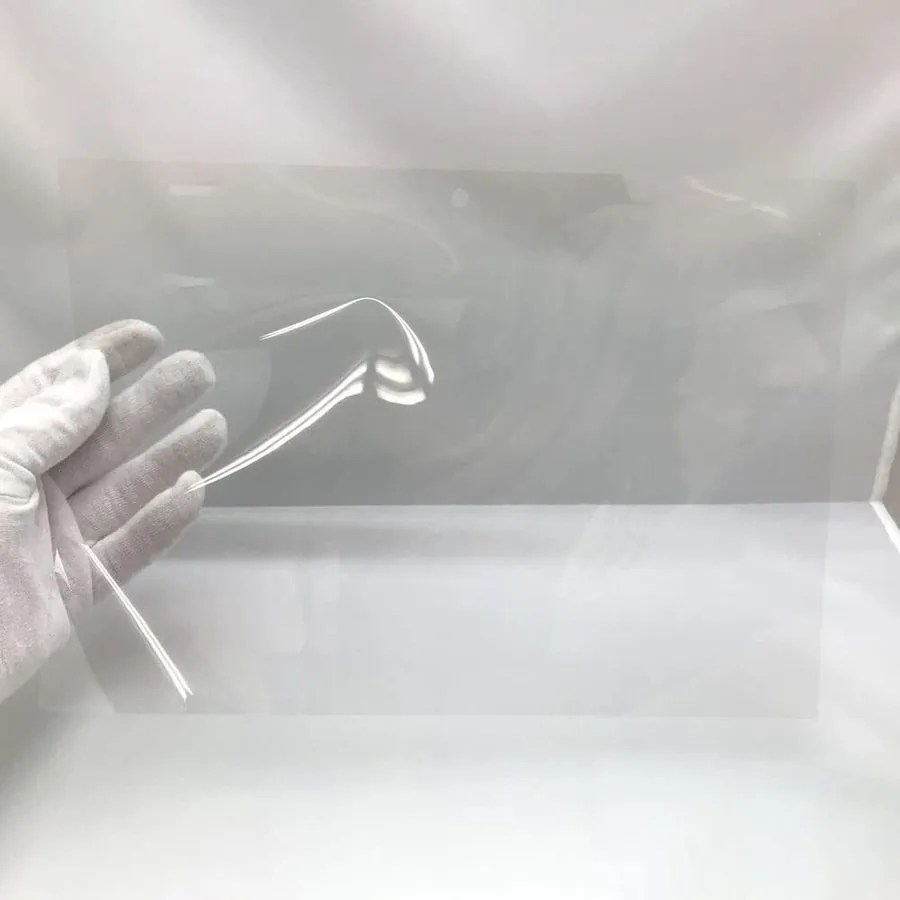
| Blank cels (clear sheets) | The support for the cel. ArtCel® Neo or Classic. |
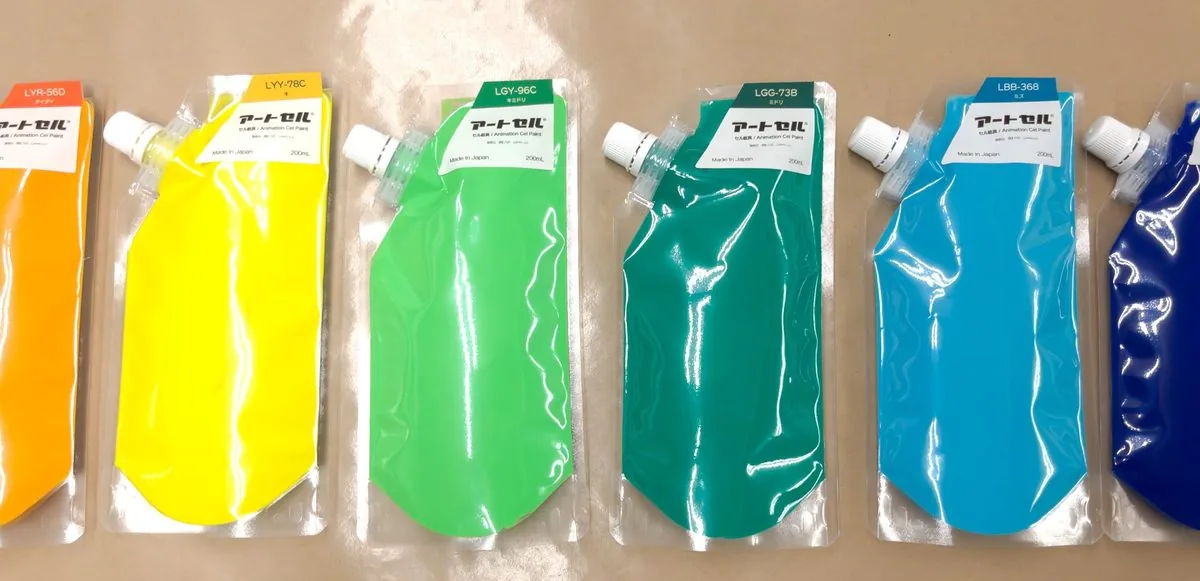
| Anime Color (cel paints) | Opaque acrylic paint made for cel painting. |
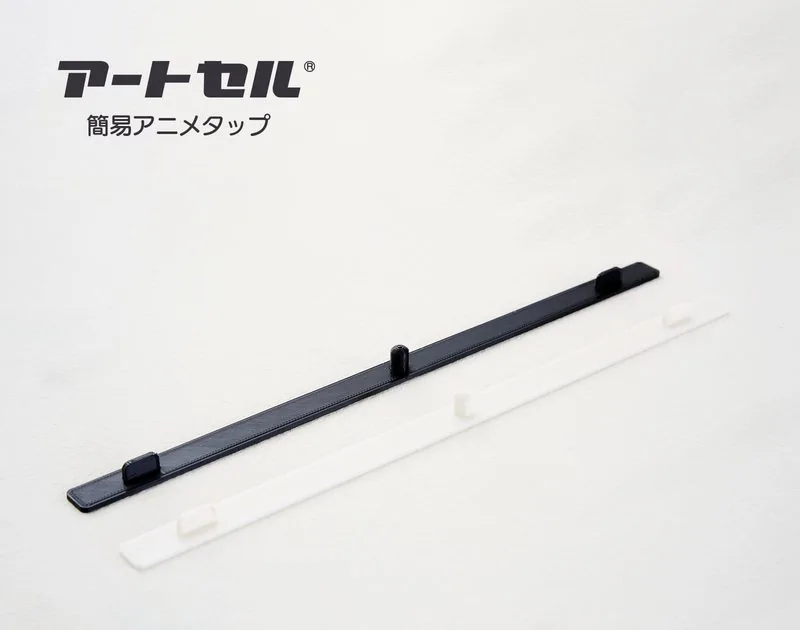
| Simple peg bar | Aligns and fixes the blank cel and drawing. |
| Fine painting brush (menso brush) | A fine brush for painting. Use different widths for details and broad areas. |
| Dip pen (or fineliner) | For tracing the outlines. |
| Item | Use |
|---|---|
| Drawing (line art) | Your own illustration or practice line art. |
| Sponge, gauze | For cleaning brushes and wiping off paint. |
| Cotton gloves | Keep fingerprints and oils off the cel. |
Gather, then try.
Choosing materials, and trying it at a workshop
Go ahead and paint
- WorkshopsSee dates and venues
- Shibuya shopUnattended shop open 24 hours
FAQ
What are the minimum tools for painting a cel?
The minimum is three items: blank cels (clear sheets), Anime Color (cel paints) and a fine painting brush (menso brush). A dip pen or fineliner for tracing line art and a peg bar for registration are handy to have.
Can beginners paint cels?
Yes. The basics of cel painting are a simple process: copy the line art and paint from the reverse. You can start with no drawing experience. We suggest starting with simple line art and moving on to detailed pieces as you get used to it.
Can I paint cels with ordinary acrylic paint?
Anime Color (cel paint) is an opaque acrylic paint developed specifically for reverse-side painting. Ordinary acrylics are not impossible to use, but the paint may peel after drying, show through, or crack. ArtCel® Anime Color (cel paint), made for cel painting, gives a stable finish.
Why are cels painted from the reverse side?
To keep paint off the outlines on the front. Painting from the reverse leaves the outlines clean when seen from the front and makes brush marks hard to see. That is what gives cels their distinctive clear finish.
How long does it take to make a cel?
A simple illustration takes about 2 to 3.5 hours: roughly 30 minutes for tracing, 30 minutes to 1 hour for painting, and 1-2 hours for drying. Complex pieces or fine gradations take longer.
Where can I buy cel painting materials?
The product list lets you order online, and you can also buy at our 24h unattended shop in Sakuragaokacho, Shibuya. We stock the materials needed for cel painting.